Friday, 13 May 2011

24 Ways to Lose Weight Without Dieting

Reviewed by Louise Chang, MD on December 08, 2009
Source: 2009 WebMD

Time Your Meals
Set a timer for 20 minutes and reinvent yourself as a slow eater. This is one of the top habits for slimming down without a complicated diet plan. Savor each bite and make it last until the bell chimes. Paced meals offer great pleasure from smaller portions and trigger the body’s fullness hormones. Wolfing your food down in a hurry blocks those signals and causes overeating.

Sleep More, Weigh Less
Sleeping an extra hour a night could help a person drop 14 pounds in a year, according to a University of Michigan researcher who ran the numbers for a 2,500 calorie per day intake. His scenario shows that when sleep replaces idle activities – and the usual mindless snacking – you can effortlessly cut calories by 6%. Results would vary for each person, but sleep may help in another way, too. There’s evidence that getting too little sleep revs up your appetite, making you uncommonly hungry.

Serve More, Eat More Veggies
Serve three vegetables with dinner tonight, instead of just one, and you’ll eat more without really trying. Greater variety tricks people into eating more food – and eating more fruits and vegetables is a great way to lose weight. The high fiber and water content fills you up with fewer calories. Cook them without added fat. And season with lemon juice and herbs rather than drowning their goodness in high-fat sauces or dressings.

When Soup’s On, Weight Comes Off
Add a broth-based soup to your day and you’ll fill up on fewer calories. Think minestrone, tortilla soup, or Chinese won-ton. Soup's especially handy at the beginning of a meal because it slows your eating and curbs your appetite. Start with a low-sodium broth or canned soup, add fresh or frozen vegetables and simmer. Beware of creamy soups, which can be high in fat and calories.

Go for Whole Grains
Whole grains such as brown rice, barley, oats, buckwheat, and whole wheat also belong in your stealthy weight loss strategy. They help fill you up with fewer calories and may improve your cholesterol profile, too. Whole grains are now in many products including waffles, pizza crust, English muffins, pasta, and soft "white" whole-wheat bread.

Eyeball Your Skinny Clothes
Hang an old favorite dress, skirt, or a smokin' pair of jeans where you’ll see them every day. This keeps your eyes on the prize. Choose an item that's just a little too snug, so you reach this reward in a relatively short time. Then pull out last year's cocktail dress for your next small, attainable goal.

Skip the Bacon
Pass on those two strips of bacon at breakfast or in your sandwich at lunch time. This simple move saves about 100 calories, which can add up to a 10 pound weight loss over a year. Other sandwich fixings can replace the flavor with fewer calories. Think about tomato slices, banana peppers, roasted red bell peppers, grainy mustard, or a light spread of herbed goat cheese.

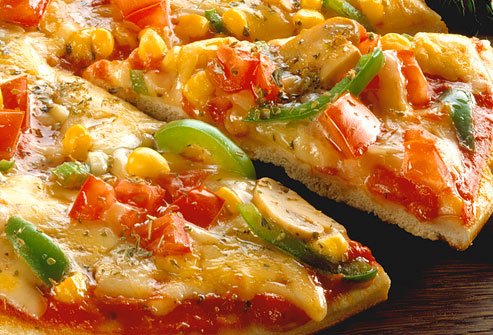
Build a Better Slice of Pizza
Choose vegetable toppings for pizza instead of meat and you'll shave 100 calories from your meal. Other skinny pizza tricks: go light on the cheese or use reduced-fat cheese and choose a thin, bread-like crust made with just a touch of olive oil.

Sip Smart: Cut Back on Sugar

Replace one sugary drink like regular soda with water or a zero-calorie seltzer and you'll avoid 10 teaspoons of sugar. Add lemon, mint or frozen strawberries for flavor and fun.
The liquid sugar in soda appears to bypass the body's normal fullness cues. One study compared an extra 450 calories per day from jelly beans vs. soda. The candy eaters unconsciously ate fewer calories overall, but not so the soda drinkers. They gained 2.5 pounds in four weeks.

Sip Smart: Use a Tall, Thin Glass

Use a tall, skinny glass instead of a short, wide tumbler to cut liquid calories — and your weight — without dieting. You’ll drink 25-30% less juice, soda, wine, or any other beverage.
How can this work? Brian Wansink, PhD, says visual cues can trick us into consuming more or less. His tests at Cornell University found all kinds of people poured more into a short, wide glass — even experienced bartenders.

Sip Smart: Limit Alcohol
When an occasion includes alcohol, follow the first drink with a nonalcoholic, low-calorie beverage like sparkling water instead of moving directly to another cocktail, beer, or glass of wine. Alcohol has more calories per gram (7) than carbohydrates (4) or protein (4). It can also loosen your resolve, leading you to mindlessly inhale chips, nuts, and other foods you’d normally limit.

Sip Smart: Go for Green Tea
Drinking green tea may also be a good weight loss strategy. Some studies suggest that it can rev up the body's calorie-burning engine temporarily, possibly through the action of phytochemicals called catechins. At the very least, you’ll get a refreshing drink without tons of calories.

Slip Into a Yoga State of Mind
Women who do yoga tend to weigh less than others, according to a study in the Journal of the American Dietetic Association. What’s the connection? The yoga regulars reported a more "mindful" approach to eating. For example, they tend to notice the large portions in restaurants but eat only enough to feel full. Researchers think the calm self-awareness developed through yoga may help people resist overeating.

Eat at Home
Eat home-cooked meals at least five days a week to live like a thin person. A Consumer Reports survey found this was a top habit of "successful losers." Sound daunting? Cooking may be easier than you think. Shortcut foods can make for quick meals, such as pre-chopped lean beef for fajitas, washed lettuce, pre-cut veggies, canned beans, cooked chicken strips, or grilled deli salmon.

Catch the "Eating Pause"
Most people have a natural "eating pause," when they drop the fork for a couple of minutes. Watch for this moment and don't take another bite. Clear your plate and enjoy the conversation. This is the quiet signal that you're full, but not stuffed. Most people miss it.

Chew Strong Mint Gum
Chew sugarless gum with a strong flavor when you're at risk for a snack attack. Making dinner after work, at a party, watching TV, or surfing the Internet are a few dangerous scenarios for mindless snacking. Gum with a big flavor punch overpowers other foods so they don’t taste good.

Shrink Your Dishes
Chose a 10" lunch plate instead of a 12" dinner plate to automatically eat less. Cornell's Brian Wansink, PhD, found in test after test that people serve more and eat more food with larger dishes. Shrink your plate or bowl to cut out 100-200 calories a day – and 10-20 pounds in a year. In Wansink’s tests, no one felt hungry or even noticed when tricks of the eye shaved 200 calories off their daily intake.

Get Food Portions Right
The top habit of slim people is to stick with modest food portions at every meal, five days a week or more. "Always slim" people do it and successful losers do it, too, according to a Consumer Reports survey. After measuring portions a few times, it can become automatic. Make it easier with small "snack" packs and by keeping serving dishes off the table at meal time.

Try the 80-20 Rule
Americans are conditioned to keep eating until they’re stuffed, but residents of Okinawa eat until they’re 80% full. They even have a name for this naturally slimming habit: hara hachi bu. We can adopt this healthy habit by dishing out 20% less food, according to researcher Brian Wansink, PhD. His studies show most people don’t miss it.

Eat Out Your Way
Restaurant meals are notoriously fattening, so consider these special orders that keep portions under control:
  • Split an entrée with a friend.
  • Order an appetizer as a meal.
  • Choose the child's plate.
  • Get half the meal in a doggie bag before it's brought to the table.
Complement a smaller entrée with extra salad for the right balance: half the plate filled with veggies.


Reach for the Red Sauce
Choose marinara sauce for pasta instead of Alfredo sauce. The tomato-based sauces tend to have fewer calories and much less fat than cream-based sauces. But remember, portion size still counts. A serving of pasta is one cup or roughly the size of a tennis ball.

Go Meatless More Often
Eating vegetarian meals more often is a slimming habit, according to WebMD's "recipe doctor," Elaine Magee, MPH, RD. Vegetarians weigh up to 20% less than meat eaters. While there are several reasons for this, legumes play an important role. Bean burgers, lentil soup, and other tasty legume-based foods are simply packed with fiber. Most Americans get only half of this important nutrient, which fills you up with fewer calories.

Burn 100 Calories More
Lose 10 pounds in a year without dieting by burning an extra 100 calories every day. Try one of these activities:
  • Walk 1 mile, about 20 minutes.
  • Pull weeds or plant flowers for 20 minutes.
  • Mow the lawn for 20 minutes.
  • Clean house for 30 minutes.
  • Jog for 10 minutes.


Celebrate
When you’ve kicked the soda habit or simply made it through the day without overeating, pat yourself on the back. You’ve moved closer to a slimming lifestyle that helps people lose weight without crazy or complicated diet plans. Phone a friend, get a pedicure, buy new clothes -- or on occasion, indulge in a small slice of cheesecake.


12 Diet Mistakes and How to Avoid Them

Reviewed by Brunilda Nazario, MD on December 01, 2008
Source:  2009 WebMD

Diet Mistakes Can Influence Weight
Simple diet mistakes can derail your best efforts to get back into that favorite pair of jeans. If the scale seems stuck, or your weight drops off only to bounce back up, there’s a chance you could be making one of these 12 weight loss blunders.

Relying on Crash Diets
Determined to lose 10 pounds fast, you turn to a crash diet. Perhaps your plan calls for nothing but grapefruit or cabbage soup each day. You slash your daily calories to fewer than 1,000 -- and sure enough, the pounds melt away. But when you eat so few calories, you train your metabolism to slow down. Once the diet is over, you have a body that burns calories more slowly -- and gains weight more quickly -- than ever before.

Skipping Breakfast
Skipping breakfast seems like a simple way to cut calories, but the result can be insatiable hunger the rest of the day. This may lead to unplanned snacking at the office and eating a super-size portion at lunch, making calorie counts soars. But breakfasts that are high in protein and fiber can reduce hunger throughout the day. In fact, studies show people who eat breakfast every morning are more likely to maintain a healthy weight.

Losing Track of Your Snacks
Maybe you count calories meticulously at every meal, but what about all those nibbles in between? There’s the bag of pretzels at your desk, the little slice of cake at an office party, the taste of your son’s ice cream cone. All of this mindless munching adds up and could sabotage an otherwise well-planned diet. If you’re serious about counting calories, you may want to use a notebook to keep track of each bite.

Not Snacking at All
While mindless snacking can pad your waistline, thoughtful snacking may do just the opposite. People who eat several small meals and snacks a day are more likely to control hunger and lose weight. Snacking helps keep your metabolism in high gear, especially if the snacks are protein-rich. Nuts are a good, high-protein choice, and research suggests people who snack on nuts tend to be slimmer than those who don't.

Loading Up on Low-Fat
Low-fat products can play an important role in your diet. Just remember that low-fat isn’t the same as low-calorie and it’s not a license to take second and third helpings. If you pile your plate with low-fat cake, you may end up eating more calories than if you had a smaller slice of regular cake. The best way to know how much fat, sugar, and calories you’re getting is to check the nutritional label.

Sipping Too Many Calories
When counting calories, many of us tend to overlook what’s in our drinks. This is a big mistake when you consider that some fancy coffees and alcoholic beverages have more than 500 calories. Even the calories in fruit juice and soda can add up quickly. What’s worse is that liquid calories don’t curb hunger. You’re not going to eat any less after a high-calorie drink.

Drinking Too Little Water
This is one of the simplest diet blunders to fix. Water is essential for burning calories. If you let yourself get dehydrated, your metabolism drags -- and that means slower weight loss. Research suggests adults who drink eight or more glasses of water per day burn more calories than those who drink less. So try adding a glass of water to every meal and snack.

Ditching Dairy
Milk, cheese, and ice cream are taboo for many dieters, but ditching dairy foods may be counterproductive. Some research suggests the body burns more fat when it gets enough calcium and produces more fat when it’s calcium-deprived. Calcium supplements do not appear to yield the same benefits, so dairy may have other compounds at work as well. Most dietitians recommend sticking to nonfat or low-fat milk, cheese, and yogurt.

Taking the Drive-Through Bait
The drive-through is convenient after a hectic day, and you can always order the salad or other healthier option. But once you’re there, can you resist that milkshake or other treat? And if you allow yourself the ease of fast food once, it could become a habit. According to one long-term study, people who ate fast food more than twice a week gained 10 more pounds than those who had it less than once a week.

Weighing Yourself Every Day
Weighing yourself daily is a recipe for frustration and doesn’t yield useful information. It’s more important to look for a long-term trend with weekly weigh-ins. If your goal is to lose 1 or 2 pounds a week, you’ll be satisfied to see those full-pound drops when you step on the scale. The result is more motivating than the confusing swings that may accompany daily weigh-ins.

Setting Unrealistic Goals
Telling yourself you’ll lose 20 pounds your first week is probably setting yourself up for failure. If you know you won’t be able to do it, you may never start your diet in the first place. If you do diet and lose 5 pounds in a week, instead of celebrating, you may feel discouraged that you didn’t reach your goal. A realistic goal is vital to successful dieting. If you’re not sure what your goal should be, talk to a dietitian.

Avoiding Exercise
When you don’t exercise, you place the entire burden of weight loss on your diet. If you become more active, you can eat more of the things you like -- and still lose weight. The key is finding an exercise you enjoy. If the treadmill seems tedious, try swimming, ballet, biking, or Ping-Pong, all of which burn more calories than walking. Spend time at different activities until you find one you want to do on most days.

Tuesday, 10 May 2011

10 Ways to Boost Your Metabolism

Reviewed by Brunilda Nazario, MD on December 15, 2008
Source: 2008 WebMD

The Elusive Metabolism Boost
Boosting the metabolism is the holy grail of weight watchers everywhere, but how fast your body burns calories depends on several factors. Some people inherit a speedy metabolism. Men tend to burn more calories than women, even while resting. And for most people, metabolism slows steadily after age 40. Although you can't control your age, gender, or genetics, there are other ways to get a boost. Read on for 10 ways to rev up.

Build Muscle
Our bodies constantly burn calories, even when we’re doing nothing. This resting metabolic rate is much higher in people with more muscle. Every pound of muscle uses about 6 calories a day just to sustain itself, while each pound of fat burns only 2 calories daily. That small difference can add up over time. In addition, after a bout of resistance training, muscles are activated all over your body, increasing your average daily metabolic rate.

Kick Your Workout Up a Notch
Aerobic exercise may not build big muscles, but it can rev up your metabolism in the hours after a workout. The key is to push yourself. High-intensity exercise delivers a bigger, longer increase in resting metabolic rate than low- or moderate workouts. To get the benefits, try a more intense class at the gym or include short bursts of jogging during your regular walk.

Drink More Water
The body needs water to process calories. If you are even mildly dehydrated, your metabolism may slow down. In one study, adults who drank eight or more glasses of water a day burned more calories than those who drank four. To stay hydrated, drink a glass of water or other unsweetened beverage before every meal and snack. In addition, try munching on fresh fruits and vegetables, which are full of fluid, rather than pretzels or chips.

Have Your Drinks on the Rocks
Ice-cold beverages prompt the body to burn more calories during digestion. Research suggests five or six glasses of water on the rocks can use up an extra 10 calories a day. That might not sound like much, but it adds up to a pound of weight loss per year -- without dieting. You can get the same benefit by drinking iced tea or coffee, as long as you forego the cream and sugar.

Eat More Often
Eating more really can help you lose weight -- eating more often, that is. When you eat large meals with many hours in between, you train your metabolism to slow down. Having a small meal or snack every 3 to 4 hours keeps your metabolism cranking, so you burn more calories over the course of a day. Several studies have also shown that people who snack regularly eat less at meal time.

Spice Up Your Meals
Spicy foods contain chemical compounds that kick the metabolism into high gear. Eating a tablespoon of chopped red or green chili pepper can temporarily boost your metabolic rate by 23 percent. Some studies suggest the effect only lasts about half an hour, but if you eat spicy foods often, the benefits may add up. For a quick boost, spice up pasta dishes, chili, and stews with red-pepper flakes.

Eat More Protein
The body burns up to twice as many calories digesting protein as it uses for fat or carbohydrates. Although you want to eat a balanced diet, replacing some carbs with lean, protein-rich foods can jump-start the metabolism at mealtime. Healthy sources of protein include lean beef and pork, fish, white meat chicken, tofu, nuts, beans, eggs, and low-fat dairy products.

Drink Black Coffee
If you’re a coffee drinker, you probably enjoy the increased energy and concentration that follows your morning ritual. Well, some of these benefits are linked to a short-term increase in your metabolic rate. In one study, the caffeine in two cups of coffee prompted a 145-pound woman to burn 50 extra calories over the next four hours. Just be sure to drink it black. If you add cream, sugar, or flavored syrups, you’ll take in far more calories than you burn.

Drink Green Tea
Drinking green tea or oolong tea offers the combined benefits of caffeine and catechins, substances shown to rev up the metabolism for a couple hours. Research suggests drinking two to four cups of either tea may push the body to burn an extra 50 calories each day. That adds up to 5 pounds of weight loss in a year.

Avoid Crash Diets
Crash diets -- those involving eating fewer than 1,000 calories a day -- are disastrous for anyone hoping to quicken their metabolism. Although these diets may help you drop pounds (at the expense of good nutrition), a high percentage of the loss comes from muscle. The lower your muscle mass, the slower your metabolism. The final result is a body that burns far fewer calories (and gains weight faster) than the one you had before the diet.

Best Bets
The impact of different foods and drinks on the metabolism is small compared to what you need for sustained weight loss. Your best bet for creating a mean calorie-burning machine is to build muscle and stay active. The more you move during the day, the more calories you burn. And remember: working out in the morning has the benefit of revving up your metabolism for hours.

Monday, 9 May 2011

The Healhy Wonders of Water

Reviewed by Brunilda Nazario, MD on July 01, 2009
Sources:  2009 WebMD


Stay Slimmer With Water
  • Trying to lose weight? Water revs up metabolism and helps you feel full. 
  • Replace calorie-laden beverages with water, and drink a glass before meals to help you feel fuller.
  • Drinking more water also helps amp up metabolism - especially if your glass is icy cold. Your body must work to warm the water up, burning a few extra calories in the process.

Water Boosts Your Energy
  • If you’re feeling drained and depleted, get a pick-me-up with water. Dehydration makes you feel fatigued.
  • Water helps the blood transport oxygen and other essential nutrients to your cells.
  • If you’re getting enough water, your heart also doesn’t have to work as hard to pump blood throughout your body.

Lower Stress With Water
  • 85% of your brain tissue is water. If you’re dehydrated, both your body and your mind will be stressed.
  • If you’re feeling thirsty, you’re already a little dehydrated.
  • To keep stress levels down, keep a glass of water at your desk or tote a sports bottle and sip regularly.


Build Muscle Tone With Water
  • Drinking water helps prevent muscle cramping and lubricates joints in the body.
  • When you’re well hydrated, you can exercise longer and stronger without "hitting the wall."

Nourish Your Skin

  • Fine lines and wrinkles are deeper when you’re dehydrated. Water is nature’s own beauty cream.
  • Drinking water hydrates skin cells and plumps them up, making your face look younger.
  • It also flushes out impurities and improves circulation and blood flow, leaving your face clean, clear, and glowing.

Stay Regular With Water
  • Along with fiber, water is essential to good digestion.
  • Water helps dissolve waste particles and passes them smoothly through your digestive tract.
  • If you’re dehydrated, your body absorbs all the water, leaving your colon dry and making it more difficult to pass waste.

Water Reduces Kidney Stones
  • The rate of painful kidney stones is rising because people - including children - aren't drinking enough water.
  • Water dilutes the salts and minerals in your urine that form the solid crystals known as kidney stones.
  • Kidney stones can't form in diluted urine, so reduce your risk with plenty of water!

Are You Drinking Enough Water?
  • Generally, nutritionists recommend we follow the "8x8 rule."
  • Drink eight 8-ounce glasses of water a day.
  • You may need more water if you exercise or sweat heavily.
  • You may need less water if you drink other beverages often.

Twitter Delicious Facebook Digg Stumbleupon Favorites More