Showing posts with label Diet and Nutrition. Show all posts

Friday, 30 September 2011

The Best and Worst Beverages for Weight Loss

Skinny Sipping: Drink Pounds Away
Many of us watch what we eat but not what we drink when on a diet. That’s a mistake. The average American gets a fifth of daily calories from beverages. Choosing the right drinks can tweak your metabolism, curb your appetite, and reduce your total calorie count. Which drinks are spoilers and which are helpers on the path to weight loss?

Spoiler: Soda
Every time you chug a bottle of soda, you’re consuming hundreds of empty calories. Switching to diet soft drinks is an obvious way to cut calories, but the research is mixed on whether this switch results in weight loss. Some studies show a short-term benefit. Others find diet soda drinkers gain weight. If your calorie intake exceeds what you burn off, just switching to diet soda may not do the trick.lpers on the path to weight loss?


Helper: Water
Replacing carbonated soft drinks with water will cut hundreds of calories per day, and the benefits don’t stop there. Drinking two glasses of water before a meal may encourage the stomach to feel full more quickly, so you don’t eat as much. In addition, new research suggests drinking plenty of water may have a positive effect on your metabolism.

Jury’s Out: Fruit Juice
Juice can have as many calories as soda, but it has far more to offer in the way of nutrients. This presents a dilemma -- you want the vitamins and antioxidants without all the extra sugar. The safest bet: Look for 100% fruit juice. Steer clear of juice drinks that have added sweeteners. Look for the percent of real juice, noted on the nutritional label. You can also slash calories by drinking water with a tiny bit of juice added.

Helper: Vegetable Juice
Vegetable juice is every bit as nutritious as fruit juice with about half the calories. One cup of tomato juice has 41 calories, compared to 122 calories for orange juice. Choosing juice with pulp provides some fiber, too, which can help control hunger.

Jury’s Out: Smoothies
Blend a banana, strawberries, and blueberries into a frothy smoothie, and you’ve got a delicious arsenal of disease-fighting vitamins and minerals. The homemade variety is best when you’re counting calories, because you can control the ingredients -- skim milk and fresh or frozen fruit are all you need. Restaurant smoothies may contain ice cream, honey, or other sweeteners that boost the calorie count sky-high.

Jury’s Out: Low-Fat Milk
Eating calcium-rich foods may do a body good, but calcium probably won't help you  lose weight, new research now reveals. Some earlier studies suggested calcium may prompt the body to burn more fat, but there’s little evidence to support these claims. To get the benefits of calcium without getting extra fat, stick to skim or low-fat milk, yogurt, and cheese.

Spoiler: Energy Drinks
Sports and energy drinks are calorie bombs like soda. They may have more added nutrients, but you can find the same vitamins and minerals in low-calorie foods. People who are serious about losing weight should stay hydrated with water rather than sports drinks.

Helper: Black Coffee
When you need a shot of caffeine, coffee is a better choice than soda or energy drinks. Black coffee is calorie-free and rich in antioxidants. Studies have shown that consuming moderate amounts of coffee (about 3 to 4 cups a day) may improve mood and concentration, and reduce the risk of type 2 diabetes and several types of cancer.

Spoiler: Fancy Coffee
Once you add heavy cream, flavored syrups, and/or a snowcap of whipped cream, that innocent mug of black coffee becomes a minefield of fat and sugar. Specialty coffees can contain up to 570 calories per cup -- possibly more than an entire meal! If you don’t like your coffee black, add a little skim milk and artificial sweetener to keep the calorie count low.

Helper: Green Tea
Green tea is another excellent choice when you’re looking for a little caffeine. Not only is it calorie-free, some research suggests green tea extract may stimulate weight loss.  It's not clear exactly how it aids weight loss, though caffeine and micronutrients called catechins may each play a role. The benefit appears to last only a few hours, so it may help to drink green tea at least twice a day.


Spoiler: Coolers
Coolers may sound light and airy, but they are heavy on calories. A 12-ounce cooler containing wine can have 190 calories and 22 grams of carbs. The same size hard lemonade or bottled alcoholic "ice" can have as much as 315 calories. Regular wine is not exactly a diet drink, with 100 calories in a 5-ounce glass. A low-calorie alternative is a wine spritzer: mix a dash of wine with some sparkling water.

Spoiler: Cocktails
A shot of hard liquor has fewer calories than wine or wine coolers, but once you mix in soda or cream, watch out… An 8-ounce white Russian made with light cream has 715 calories. A less fattening option is to mix rum or vodka with diet soda.

Helper: Light Beer
OK, beer is not really going to help you lose weight. But if you’re out with friends and want to share a pitcher, light beer is the way to go. A 12 oz serving has about 100 calories, compared to 150 calories for regular beer.

Saturday, 27 August 2011

Fattening Foods of Summer


Reviewed by Louise Chang, MD on March 25, 2011
Sources: © 2011 WebMD, LLC.


Summer’s Most Fattening Foods

Ahhh, it's summer: backyard barbecues, cocktails at the pool, baseball games, and lots of fried chicken, ribs, potato salad, ice cream, hot dogs, and beer. Summertime living may be easy, but if you’re not careful, summer's fattening foods can really pack on the pounds. While most people are more active during the summer, it may not be enough to burn off all the extra calories from fattening summer treats.


High-Fat Meats on the Barbecue

The bad news: barbecue can sabotage your waistline. A 20 ounce T-bone can weigh in at 1,540 calories and 124 g fat; an average cheeseburger has about 750 calories and 45 grams of fat; and pork or beef ribs? They come from the fattiest part of the animal. The good news: You can go lean with cuts like pork tenderloin, skinless chicken breast, and lean ground beef.


Take Me Out to the Ball Game

Hot dogs and sausages are favorite summer treats for many of us, but you might want to save them for baseball games. It’s not just about fat or calories (after all, you can choose lower fat varieties) but hot dogs, bratwursts, sausages and most dogs are high in sodium. A typical hot dog has 280 calories, 15 grams of fat, and 1,250 mg of sodium, while a 6-ounce kielbasa has 330 calories, 24 grams of fat, and 1,590 mg sodium.


Mayonnaise-Based Salads

A small half-cup portion of typical potato salad has 180 calories and 12 grams of fat; the same amount of coleslaw has about 150 calories and 8 grams of fat. To cut calories, try making your salads with light mayonnaise; or mix mayo with low-fat yogurt, light sour cream, or chicken stock. Or why not try a German-style potato salad, using more vinegar than oil? Then toss lots of veggies into any salad to increase the fiber and nutrients.


Frozen Concoctions

Sweet, fruity alcoholic drinks (the kind often served with an umbrella) may go down easy, but the calories add up in a hurry. A piña colada can range from 245-490 calories, a daiquiri from 300-800 calories, and a Long Island iced tea can set you back 520 calories or more -- with much of it from sugar. Instead of high calorie drinks, try wine, a wine spritzer, or a mixed drink with seltzer and a splash of 100% fruit juice.


Satisfying Thirst Quenchers

Staying hydrated is essential in summer, but those cold drinks can wreak havoc with your waistline. Be careful what you choose -- if you're drinking 12-ounce containers of sweet tea, sweetened soda, energy drinks, juice drinks, or beer, you're probably taking in about 150 calories a pop. Smoothies, milkshakes and cold coffee concoctions can go much higher. Keep liquids in check and drink water or light versions of your favorite quenchers.


Refreshing Frozen Treats

A cup of soft-serve ice cream can have 380 calories and 22 grams of fat. Make it a chocolate cookie dough milkshake concoction, and the calories soar to 720, with 28 grams of fat! You don’t need to give up frozen treats, just pass on the giant portions or high fat toppings. Look for frozen desserts like sherbet, fudge bars, fruit bars, or other treats under 150 calories per serving or fruit desserts like strawberry shortcake.


Frighteningly Fattening Fair Food

Fairs, carnivals, and boardwalks serve up some of the most fattening deep-fried diet disasters. From fried cheesecake (around 500 calories), fried macaroni and cheese (610 calories) to gigantic turkey legs (1,136 calories and 54 g fat), most eat-while-you-walk foods will give you calorie overload. Skip the fried foods and choose cotton candy, caramel apples, or a simple grilled meat or share your treat with a friend.


Salad Toppers

Salads can be the perfect summer dinner: light, refreshing, and a perfect way to get your produce and lean protein. If you top your salad with high-calorie items, it can go from lean to fattening in a hurry. High-calorie dressings, fried chicken strips, bacon, cheese, and croutons are among the biggest offenders. Instead, top your greens with grilled chicken, strips of lean meat, or eggs, then pile on the veggies and top with a light dressing.


Mindless Munching on Snacks

A handful of any kind of snack won't do much harm, but eat too much and it can sabotage your diet. Each ounce of potato chips or cheese puffs is roughly 160 calories and 10 grams of fat. Cheese nachos will set you back 692 calories (plus 38 g fat and 1,632 mg sodium); and a 10-cup box of movie theater popcorn has 550 calories, 31 g fat, and 972 mg sodium. Try snacking on fruits, veggies with light dip, or small portions of fat-free popcorn.


Finger-Licking Fried Chicken

A bucket of fried chicken is an easy way to feed a crowd, but it can wreak havoc on your waistline (and arteries), especially when you eat more than one. So forgo fried and toss boneless, skinless chicken breasts on the grill. A 3.5 oz. skinned chicken breast has only 167 calories and 7 grams of fat, compared to a breaded, fried chicken breast with about 360 calories and 21 g fat. Add flavor with marinades and spice rubs, or top it with fresh salsa.


Friday, 13 May 2011

24 Ways to Lose Weight Without Dieting

Reviewed by Louise Chang, MD on December 08, 2009
Source: 2009 WebMD

Time Your Meals
Set a timer for 20 minutes and reinvent yourself as a slow eater. This is one of the top habits for slimming down without a complicated diet plan. Savor each bite and make it last until the bell chimes. Paced meals offer great pleasure from smaller portions and trigger the body’s fullness hormones. Wolfing your food down in a hurry blocks those signals and causes overeating.

Sleep More, Weigh Less
Sleeping an extra hour a night could help a person drop 14 pounds in a year, according to a University of Michigan researcher who ran the numbers for a 2,500 calorie per day intake. His scenario shows that when sleep replaces idle activities – and the usual mindless snacking – you can effortlessly cut calories by 6%. Results would vary for each person, but sleep may help in another way, too. There’s evidence that getting too little sleep revs up your appetite, making you uncommonly hungry.

Serve More, Eat More Veggies
Serve three vegetables with dinner tonight, instead of just one, and you’ll eat more without really trying. Greater variety tricks people into eating more food – and eating more fruits and vegetables is a great way to lose weight. The high fiber and water content fills you up with fewer calories. Cook them without added fat. And season with lemon juice and herbs rather than drowning their goodness in high-fat sauces or dressings.

When Soup’s On, Weight Comes Off
Add a broth-based soup to your day and you’ll fill up on fewer calories. Think minestrone, tortilla soup, or Chinese won-ton. Soup's especially handy at the beginning of a meal because it slows your eating and curbs your appetite. Start with a low-sodium broth or canned soup, add fresh or frozen vegetables and simmer. Beware of creamy soups, which can be high in fat and calories.

Go for Whole Grains
Whole grains such as brown rice, barley, oats, buckwheat, and whole wheat also belong in your stealthy weight loss strategy. They help fill you up with fewer calories and may improve your cholesterol profile, too. Whole grains are now in many products including waffles, pizza crust, English muffins, pasta, and soft "white" whole-wheat bread.

Eyeball Your Skinny Clothes
Hang an old favorite dress, skirt, or a smokin' pair of jeans where you’ll see them every day. This keeps your eyes on the prize. Choose an item that's just a little too snug, so you reach this reward in a relatively short time. Then pull out last year's cocktail dress for your next small, attainable goal.

Skip the Bacon
Pass on those two strips of bacon at breakfast or in your sandwich at lunch time. This simple move saves about 100 calories, which can add up to a 10 pound weight loss over a year. Other sandwich fixings can replace the flavor with fewer calories. Think about tomato slices, banana peppers, roasted red bell peppers, grainy mustard, or a light spread of herbed goat cheese.

Build a Better Slice of Pizza
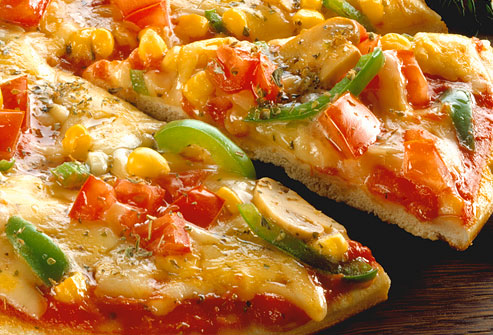
Choose vegetable toppings for pizza instead of meat and you'll shave 100 calories from your meal. Other skinny pizza tricks: go light on the cheese or use reduced-fat cheese and choose a thin, bread-like crust made with just a touch of olive oil.

Sip Smart: Cut Back on Sugar

Replace one sugary drink like regular soda with water or a zero-calorie seltzer and you'll avoid 10 teaspoons of sugar. Add lemon, mint or frozen strawberries for flavor and fun.
The liquid sugar in soda appears to bypass the body's normal fullness cues. One study compared an extra 450 calories per day from jelly beans vs. soda. The candy eaters unconsciously ate fewer calories overall, but not so the soda drinkers. They gained 2.5 pounds in four weeks.

Sip Smart: Use a Tall, Thin Glass

Use a tall, skinny glass instead of a short, wide tumbler to cut liquid calories — and your weight — without dieting. You’ll drink 25-30% less juice, soda, wine, or any other beverage.
How can this work? Brian Wansink, PhD, says visual cues can trick us into consuming more or less. His tests at Cornell University found all kinds of people poured more into a short, wide glass — even experienced bartenders.

Sip Smart: Limit Alcohol
When an occasion includes alcohol, follow the first drink with a nonalcoholic, low-calorie beverage like sparkling water instead of moving directly to another cocktail, beer, or glass of wine. Alcohol has more calories per gram (7) than carbohydrates (4) or protein (4). It can also loosen your resolve, leading you to mindlessly inhale chips, nuts, and other foods you’d normally limit.

Sip Smart: Go for Green Tea
Drinking green tea may also be a good weight loss strategy. Some studies suggest that it can rev up the body's calorie-burning engine temporarily, possibly through the action of phytochemicals called catechins. At the very least, you’ll get a refreshing drink without tons of calories.

Slip Into a Yoga State of Mind
Women who do yoga tend to weigh less than others, according to a study in the Journal of the American Dietetic Association. What’s the connection? The yoga regulars reported a more "mindful" approach to eating. For example, they tend to notice the large portions in restaurants but eat only enough to feel full. Researchers think the calm self-awareness developed through yoga may help people resist overeating.

Eat at Home
Eat home-cooked meals at least five days a week to live like a thin person. A Consumer Reports survey found this was a top habit of "successful losers." Sound daunting? Cooking may be easier than you think. Shortcut foods can make for quick meals, such as pre-chopped lean beef for fajitas, washed lettuce, pre-cut veggies, canned beans, cooked chicken strips, or grilled deli salmon.

Catch the "Eating Pause"
Most people have a natural "eating pause," when they drop the fork for a couple of minutes. Watch for this moment and don't take another bite. Clear your plate and enjoy the conversation. This is the quiet signal that you're full, but not stuffed. Most people miss it.

Chew Strong Mint Gum
Chew sugarless gum with a strong flavor when you're at risk for a snack attack. Making dinner after work, at a party, watching TV, or surfing the Internet are a few dangerous scenarios for mindless snacking. Gum with a big flavor punch overpowers other foods so they don’t taste good.

Shrink Your Dishes
Chose a 10" lunch plate instead of a 12" dinner plate to automatically eat less. Cornell's Brian Wansink, PhD, found in test after test that people serve more and eat more food with larger dishes. Shrink your plate or bowl to cut out 100-200 calories a day – and 10-20 pounds in a year. In Wansink’s tests, no one felt hungry or even noticed when tricks of the eye shaved 200 calories off their daily intake.

Get Food Portions Right
The top habit of slim people is to stick with modest food portions at every meal, five days a week or more. "Always slim" people do it and successful losers do it, too, according to a Consumer Reports survey. After measuring portions a few times, it can become automatic. Make it easier with small "snack" packs and by keeping serving dishes off the table at meal time.

Try the 80-20 Rule
Americans are conditioned to keep eating until they’re stuffed, but residents of Okinawa eat until they’re 80% full. They even have a name for this naturally slimming habit: hara hachi bu. We can adopt this healthy habit by dishing out 20% less food, according to researcher Brian Wansink, PhD. His studies show most people don’t miss it.

Eat Out Your Way
Restaurant meals are notoriously fattening, so consider these special orders that keep portions under control:
  • Split an entrée with a friend.
  • Order an appetizer as a meal.
  • Choose the child's plate.
  • Get half the meal in a doggie bag before it's brought to the table.
Complement a smaller entrée with extra salad for the right balance: half the plate filled with veggies.


Reach for the Red Sauce
Choose marinara sauce for pasta instead of Alfredo sauce. The tomato-based sauces tend to have fewer calories and much less fat than cream-based sauces. But remember, portion size still counts. A serving of pasta is one cup or roughly the size of a tennis ball.

Go Meatless More Often
Eating vegetarian meals more often is a slimming habit, according to WebMD's "recipe doctor," Elaine Magee, MPH, RD. Vegetarians weigh up to 20% less than meat eaters. While there are several reasons for this, legumes play an important role. Bean burgers, lentil soup, and other tasty legume-based foods are simply packed with fiber. Most Americans get only half of this important nutrient, which fills you up with fewer calories.

Burn 100 Calories More
Lose 10 pounds in a year without dieting by burning an extra 100 calories every day. Try one of these activities:
  • Walk 1 mile, about 20 minutes.
  • Pull weeds or plant flowers for 20 minutes.
  • Mow the lawn for 20 minutes.
  • Clean house for 30 minutes.
  • Jog for 10 minutes.


Celebrate
When you’ve kicked the soda habit or simply made it through the day without overeating, pat yourself on the back. You’ve moved closer to a slimming lifestyle that helps people lose weight without crazy or complicated diet plans. Phone a friend, get a pedicure, buy new clothes -- or on occasion, indulge in a small slice of cheesecake.


12 Diet Mistakes and How to Avoid Them

Reviewed by Brunilda Nazario, MD on December 01, 2008
Source:  2009 WebMD

Diet Mistakes Can Influence Weight
Simple diet mistakes can derail your best efforts to get back into that favorite pair of jeans. If the scale seems stuck, or your weight drops off only to bounce back up, there’s a chance you could be making one of these 12 weight loss blunders.

Relying on Crash Diets
Determined to lose 10 pounds fast, you turn to a crash diet. Perhaps your plan calls for nothing but grapefruit or cabbage soup each day. You slash your daily calories to fewer than 1,000 -- and sure enough, the pounds melt away. But when you eat so few calories, you train your metabolism to slow down. Once the diet is over, you have a body that burns calories more slowly -- and gains weight more quickly -- than ever before.

Skipping Breakfast
Skipping breakfast seems like a simple way to cut calories, but the result can be insatiable hunger the rest of the day. This may lead to unplanned snacking at the office and eating a super-size portion at lunch, making calorie counts soars. But breakfasts that are high in protein and fiber can reduce hunger throughout the day. In fact, studies show people who eat breakfast every morning are more likely to maintain a healthy weight.

Losing Track of Your Snacks
Maybe you count calories meticulously at every meal, but what about all those nibbles in between? There’s the bag of pretzels at your desk, the little slice of cake at an office party, the taste of your son’s ice cream cone. All of this mindless munching adds up and could sabotage an otherwise well-planned diet. If you’re serious about counting calories, you may want to use a notebook to keep track of each bite.

Not Snacking at All
While mindless snacking can pad your waistline, thoughtful snacking may do just the opposite. People who eat several small meals and snacks a day are more likely to control hunger and lose weight. Snacking helps keep your metabolism in high gear, especially if the snacks are protein-rich. Nuts are a good, high-protein choice, and research suggests people who snack on nuts tend to be slimmer than those who don't.

Loading Up on Low-Fat
Low-fat products can play an important role in your diet. Just remember that low-fat isn’t the same as low-calorie and it’s not a license to take second and third helpings. If you pile your plate with low-fat cake, you may end up eating more calories than if you had a smaller slice of regular cake. The best way to know how much fat, sugar, and calories you’re getting is to check the nutritional label.

Sipping Too Many Calories
When counting calories, many of us tend to overlook what’s in our drinks. This is a big mistake when you consider that some fancy coffees and alcoholic beverages have more than 500 calories. Even the calories in fruit juice and soda can add up quickly. What’s worse is that liquid calories don’t curb hunger. You’re not going to eat any less after a high-calorie drink.

Drinking Too Little Water
This is one of the simplest diet blunders to fix. Water is essential for burning calories. If you let yourself get dehydrated, your metabolism drags -- and that means slower weight loss. Research suggests adults who drink eight or more glasses of water per day burn more calories than those who drink less. So try adding a glass of water to every meal and snack.

Ditching Dairy
Milk, cheese, and ice cream are taboo for many dieters, but ditching dairy foods may be counterproductive. Some research suggests the body burns more fat when it gets enough calcium and produces more fat when it’s calcium-deprived. Calcium supplements do not appear to yield the same benefits, so dairy may have other compounds at work as well. Most dietitians recommend sticking to nonfat or low-fat milk, cheese, and yogurt.

Taking the Drive-Through Bait
The drive-through is convenient after a hectic day, and you can always order the salad or other healthier option. But once you’re there, can you resist that milkshake or other treat? And if you allow yourself the ease of fast food once, it could become a habit. According to one long-term study, people who ate fast food more than twice a week gained 10 more pounds than those who had it less than once a week.

Weighing Yourself Every Day
Weighing yourself daily is a recipe for frustration and doesn’t yield useful information. It’s more important to look for a long-term trend with weekly weigh-ins. If your goal is to lose 1 or 2 pounds a week, you’ll be satisfied to see those full-pound drops when you step on the scale. The result is more motivating than the confusing swings that may accompany daily weigh-ins.

Setting Unrealistic Goals
Telling yourself you’ll lose 20 pounds your first week is probably setting yourself up for failure. If you know you won’t be able to do it, you may never start your diet in the first place. If you do diet and lose 5 pounds in a week, instead of celebrating, you may feel discouraged that you didn’t reach your goal. A realistic goal is vital to successful dieting. If you’re not sure what your goal should be, talk to a dietitian.

Avoiding Exercise
When you don’t exercise, you place the entire burden of weight loss on your diet. If you become more active, you can eat more of the things you like -- and still lose weight. The key is finding an exercise you enjoy. If the treadmill seems tedious, try swimming, ballet, biking, or Ping-Pong, all of which burn more calories than walking. Spend time at different activities until you find one you want to do on most days.

Twitter Delicious Facebook Digg Stumbleupon Favorites More